In the context of the escalating environmental challenges witnessed in Iraq, particularly in the southern governorates, civil initiatives emerge as effective tools in diagnosing environmental problems and proposing realistic solutions for them. This project, implemented by the “Humat Dijla” network, reflects an advanced model in environmental work based on research, advocacy, and building partnerships with governmental and societal entities. The project sought to address the issue of water pollution through the preparation of a policy paper based on field data, multi-party dialogues, as well as training and awareness activities targeting various segments of society.
Since the launch of the project, the focus has been on building a solid knowledge base, engaging 15 researchers, activists, and government employees in the data collection process through questionnaires and interviews. This diversity in the professional backgrounds of the participants contributed to enriching the content and achieving a comprehensive approach to the problem. These efforts led to the preparation of the first draft of the policy paper in early March, which served as a starting point for dialogue with decision-makers and concerned stakeholders.
The second phase of the project was characterized by a clear openness to government institutions, as 6 meetings were organized with the environment and water directorates in the targeted cities. These meetings provided an opportunity to exchange viewpoints and discuss the contents of the paper directly. Although official feedback on the draft was limited, the positive interaction from some officials reflected a genuine desire to enhance future cooperation with civil society organizations. This interaction is considered one of the most prominent lessons learned from the project, as it affirmed the importance of prior coordination and building trust with government entities.
In parallel, the project launched an awareness campaign on social media platforms, aimed at spreading environmental awareness and educating the public about the dangers of water pollution. Despite the challenges associated with weak societal interest in environmental issues, the campaign managed to reach approximately 2000 interested users through written and visual content prepared in collaboration with specialists. These results indicate a clear gap in environmental awareness, but at the same time, they confirm the possibility of building an interested audience through continuity and developing media discourse.
Within the framework of capacity building, specialized training in environmental monitoring and advocacy was implemented on March 9, with the participation of 28 male and female activists from the targeted cities. The training covered the concepts of environmental monitoring, its tools, and its importance in protecting natural resources, in addition to addressing advocacy skills as an extension of the monitoring process. The training resulted in important outcomes, including expanding the user base for the “Ur” environmental monitoring application, strengthening the volunteer network, as well as building communication bridges between activists in different regions.
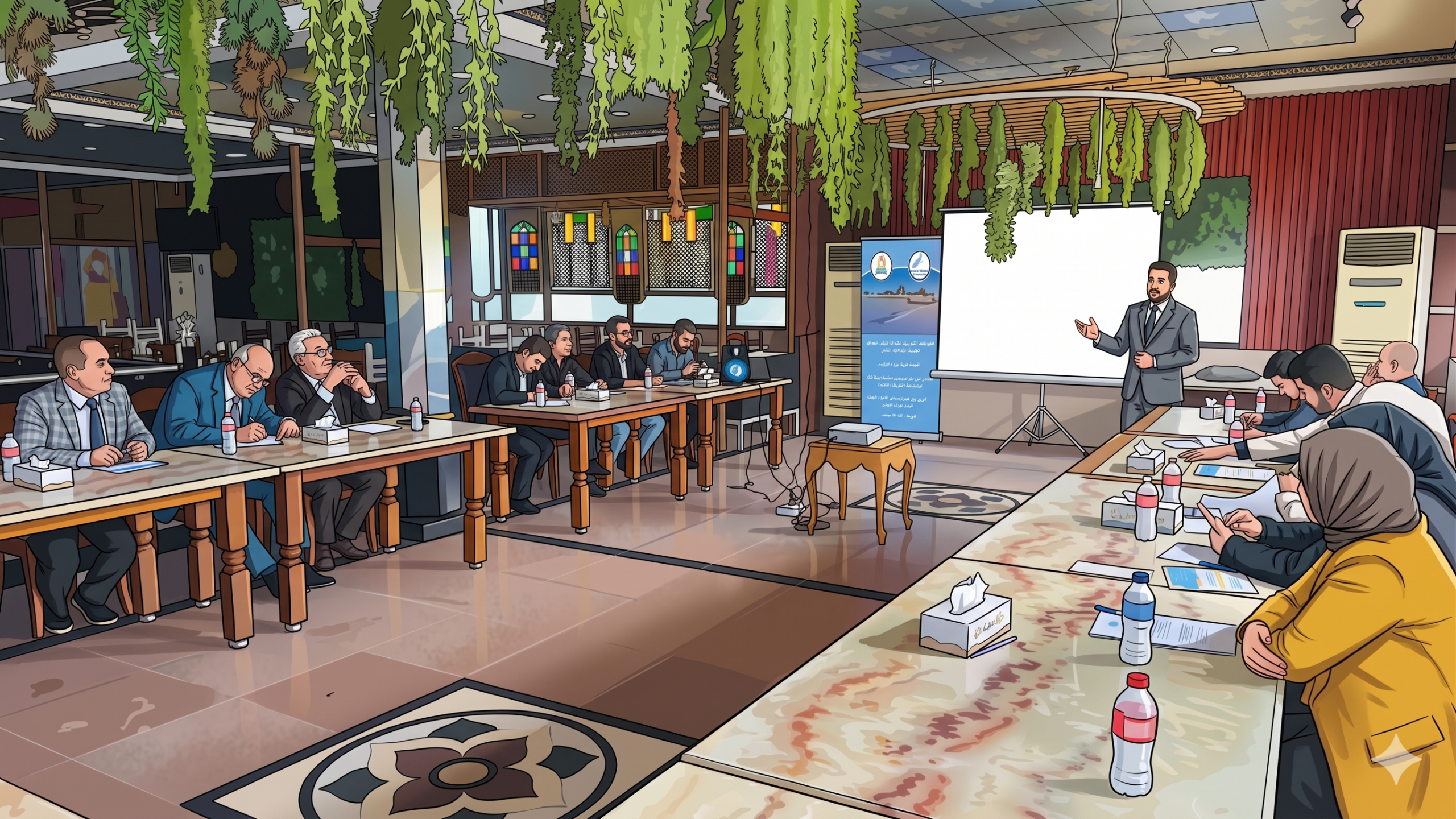
As for the most important phase of the project, it was represented in holding decision-makers’ sessions on April 24, which formed a dialogue platform bringing together researchers, activists, and decision-makers. These sessions were characterized by serious discussions focused on solutions and recommendations, rather than merely diagnosing the problem. Among the most prominent points agreed upon were: the necessity of expanding community awareness campaigns, working to change negative environmental behaviors, enhancing cooperation with the media, in addition to opening sustainable communication channels between civil society and government entities.
At the evaluation level, the results showed a noticeable increase in the participants’ awareness regarding the danger of river pollution. The pivotal role of the community in reducing pollution, especially concerning household waste management, was also emphasized. Furthermore, the importance of civil society’s role in supporting government efforts and contributing to drafting more sustainable environmental policies was highlighted.
In conclusion, this project represents an important step towards solidifying the concept of environmental governance in Iraq, highlighting the role of civil society as a fundamental partner in protecting natural resources. It also affirms that sustainability can only be achieved through the integration of efforts between individuals and institutions, and building a pressing societal awareness that pushes towards adopting eco-friendly policies.
This translation to English was done by Artificial Intelligence.